
Truck Classifications That Matter When You’re Selling

If you’re thinking about selling a commercial truck, the classification it falls into does more than sit on a title or a spec sheet. It shapes who’s actually in the market for that vehicle, what kind of offer is realistic, and how smooth the paperwork ends up being. A lot of truck owners assume age and mileage tell the whole story, but two trucks with nearly identical odometers can land in very different price ranges once you factor in weight class, body type, title status, and how the vehicle was actually used.
This matters most right before a sale, when it’s easy to either undervalue a truck because of cosmetic wear or overestimate it because it still runs fine. Understanding how buyers actually sort and price commercial trucks puts you in a better position to recognize a fair offer when you see one, and to ask the right questions if something seems off.
Why Classification Affects What Your Truck Is Worth
Every classification a truck carries, including its weight class, body type, title status, and use history, narrows down who’s actually bidding on it. A buyer shopping for a Class 8 sleeper semi isn’t looking at the same pool of vehicles as someone who needs a Class 4 box truck for last-mile delivery, so pricing comps rarely cross over between categories.
Classification also affects practical things buyers factor into an offer, like parts availability, insurance costs, and what registration category the truck falls under. A truck that’s easy to slot into an existing fleet, because its classification matches equipment a buyer already runs, tends to move faster and at a better price than one that’s harder to place.
Knowing where your truck lands on each of these classifications before you get an offer makes it easier to tell whether a number reflects the market or just one buyer’s convenience.
Weight Class: What GVWR Actually Tells a Buyer
Every commercial truck carries a Gross Vehicle Weight Rating (GVWR), the maximum loaded weight the manufacturer rates it to carry safely. The Federal Highway Administration uses GVWR to sort trucks into eight weight classes, grouped loosely into light-duty (Classes 1 and 2), medium-duty (Classes 3 through 6), and heavy-duty (Classes 7 and 8). You can see the full breakdown on the Department of Energy’s vehicle weight class chart.
Heavier doesn’t automatically mean more valuable. A Class 8 semi sits at the top of the weight chart, but it’s only worth what a long-haul buyer is willing to pay for it, and that buyer isn’t shopping for a Class 4 delivery truck no matter how clean it is. Weight class also affects who’s even allowed to drive the thing: trucks above a certain GVWR require a commercial driver’s license, which narrows the pool of private buyers and shifts demand toward fleets and dealers who already have licensed drivers on staff.
Knowing your truck’s class tells you which market you’re actually selling into, not just how big the truck is.
Body Type: Semi, Box Truck, Dump Truck, Tow Truck, or Refrigerated
Weight class tells a buyer how big a truck is. Body type tells them what it’s actually good for, and that’s usually the main thing that comes up whenever someone is trying to sell a truck, because it determines the shape of the buyer pool:
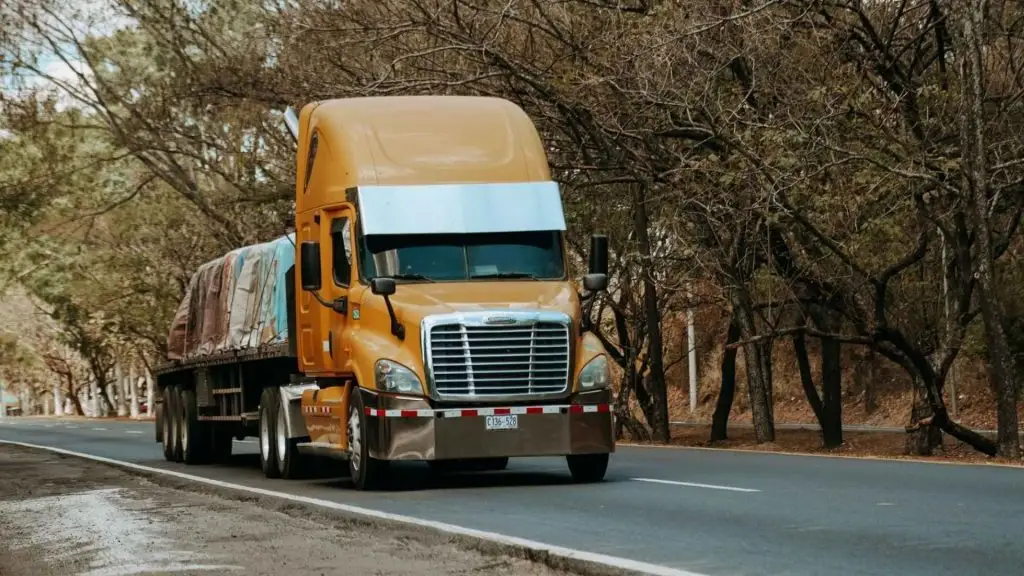
- Semi-trucks with the sleeper cab and fifth wheel intact appeal to long-haul operators.
- Box trucks draw interest from delivery and moving businesses.
- Dump trucks sell into construction and landscaping.
- Tow trucks have a narrower buyer base, usually other towing operators or municipalities.
- Refrigerated trucks, with their compressor units and insulated boxes, only make sense to buyers who need cold-chain capacity.
This is part of why two trucks with similar mileage and condition can land at very different price points. A refrigerated truck with a dead compressor loses value fast, since replacing that unit is expensive and most buyers would rather pay less upfront than inherit that repair. A dump truck with a worn-out hydraulic lift has a similar problem: the body’s core function is compromised, even if the engine runs fine.
Ready to Sell Your Truck?
Request a free quote from ByeTruck and find out what your truck is worth today, with no obligation. We’ll handle the paperwork, removal at no cost, and pay on the spot anywhere you’re located in the country.
Title Status: Clean, Salvage, and Rebuilt Titles
A truck’s title status can swing its value more than age or mileage ever will. A clean title means the vehicle has never been declared a total loss by an insurer. A salvage title means it has, usually after an accident, flood, or fire severe enough that repair costs exceeded the insurer’s payout threshold. A rebuilt title sits in between: the truck was once salvage, but it’s since been repaired and passed whatever inspection the state requires to be driven legally again.
Buyers price these very differently. A low-mileage truck with a salvage or rebuilt title often sells for noticeably less than a higher-mileage truck with a clean title, because the brand follows the vehicle permanently and signals risk that’s hard to fully verify from the outside. Anyone buying a used commercial truck can check its title history through NMVTIS, the federal system that tracks title brands, odometer readings, and salvage or junk designations across state lines.
If you’re not sure what’s on your truck’s title, it’s worth checking before you start fielding offers, since a buyer is going to find out either way, and knowing ahead of time puts you in a better position to explain it.
Vocational vs. Over-the-Road Use
How a truck was used day to day matters as much as how many miles it logged. Over-the-road semis build mileage fast, but mostly through steady-state cruising that’s relatively easy on brakes, transmissions, and suspension. Vocational trucks, dump trucks, mixers, anything running stop-and-go routes with heavy idling, rack up fewer miles but wear harder on those same systems.
That’s why two trucks with similar odometers can need very different inspections. A high-mileage OTR semi with a clean maintenance record may still have plenty of life left. A lower-mileage vocational truck might be closer to needing a transmission rebuild, simply because of how it worked.
Buyers notice the difference too. OTR buyers weigh engine hours and maintenance history. Vocational buyers focus more on the attachment or equipment the truck carried, since that’s usually what takes the brunt of the wear.
Get an OfferCommercial vs. Personal Registration
Not every truck that looks commercial is registered that way. Some owner-operators run under a personal plate, especially if the truck was bought used or never operated under a motor carrier number. Others carry full commercial registration, including an operating authority and IFTA fuel tax reporting, if the truck regularly crosses state lines.
This matters at sale time because it affects how smoothly the title transfers. A personally registered truck sells like any other vehicle. One tied to a commercial fleet account, especially with an active DOT or IFTA number, may need that paperwork closed out first.
Buyers notice this too. Commercial registration with a documented fleet maintenance history tends to read as more credible to another fleet buyer than a truck maintained casually and registered as a convenience.
What This Means When You’re Ready to Sell
None of these classifications exist in isolation. Weight class and body type determine who’s shopping for a truck, title status sets a ceiling on what any buyer will offer, use history affects which systems need attention, and registration history can speed up or slow down the transfer.
Knowing where your truck lands on each of these helps you spot a lowball offer and answer a buyer’s questions with confidence instead of guessing. If you’re weighing whether to sell now or wait, these classifications are a good place to start, since they shape the offer more than almost anything else on the vehicle.
 Free Ebook
Related Articles
What Factors Affect the Value of a Used Truck?
Two trucks can be the same year, make, and model and still sell for very different prices. Mileage, mechanical condition, maintenance history, location, configuration, and even current demand can all …
When is the Best Time of Year to Sell My Truck?
The best time to sell a truck can swing your payout by hundreds or thousands of dollars. Truck demand rises and falls across the year with tax refunds, work seasons, and the weather, so selling when b…

How a Florida Contractor Sold His Diesel Work Truck in Five Days
Every truck owner has a different reason for selling. Some are upgrading to a newer model, while others want to reduce maintenance costs or free up cash for their business. Whatever the reason, unders…
10 Scams to Avoid When Selling Your Truck
Selling a truck can be a great way to free up cash, upgrade your vehicle, or reduce the size of your fleet. Unfortunately, it can also attract scammers looking to take advantage of sellers. From fake …
How to Sell Your Truck the Same Day
If you need to sell your truck the same day, you’re not alone. Whether you’re replacing a work vehicle, closing a business, moving across the country, or simply need cash quickly, waiting …

Best Tips to Sell Your Truck for Maximum Value
Selling a truck isn’t just about finding a buyer. It’s about timing, positioning, and understanding what actually drives value in the commercial vehicle market. A rushed sale usually leads to low offe…

How to Sell Your Fleet Vehicles Quickly and Profitably
Managing multiple vehicles can make fleet sales stressful, especially if some are older, damaged, or part of a mixed-use fleet. This guide explains how businesses can sell fleet vehicles efficiently, …

How to Sell Your Van Fast and For The Best Price
Whether you own a single van for personal use or operate a fleet of commercial vans, selling your vehicle can feel complicated. Questions about value, paperwork, timing, and the best buyers are common…

How Can I Sell My Semi-Truck Fast?
Selling a commercial vehicle is a high-stakes transaction where every day of downtime costs you money in insurance, storage, and depreciation. Whether you are an owner-operator retiring your rig or a …